.png)

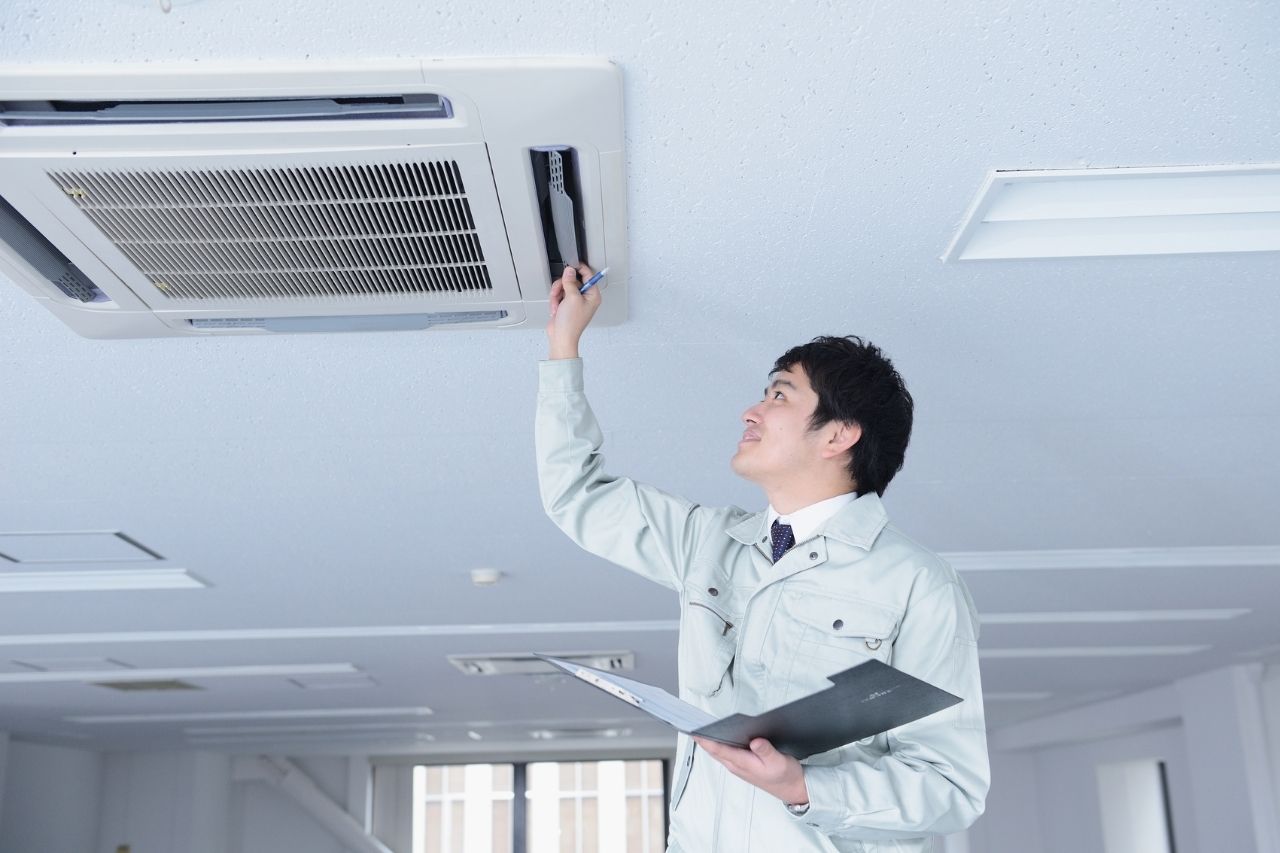
Indoor Air Quality (IAQ) has become a major focus for building owners, facility managers, and businesses in Singapore. With people spending most of their time indoors—especially in offices, commercial buildings, and retail spaces—the quality of indoor air directly affects health, comfort, and productivity.
IAQ testing services in Singapore are designed to measure and assess pollutant levels in enclosed indoor environments. These tests help identify potential risks such as poor ventilation, airborne contaminants, chemical emissions, and excessive humidity. In this article, we explore the key standards, testing process, and costs of IAQ testing services in Singapore.
Indoor Air Quality (IAQ) testing is the process of evaluating the air inside a building to ensure it is safe and healthy for occupants. It involves measuring various physical, chemical, and biological pollutants that may affect human health.
Common indoor air pollutants include:
IAQ testing helps determine whether indoor air meets acceptable safety and comfort standards.
Singapore’s urban environment, combined with high humidity and dense building structures, makes indoor air quality management especially important.
IAQ testing is essential because it:
For commercial spaces, maintaining good IAQ is not just about comfort—it is also about legal compliance and corporate responsibility.
In Singapore, IAQ standards are guided by national and international benchmarks to ensure safe indoor environments.
One of the key references is the Singapore Standard SS 554:2016, which outlines guidelines for acceptable indoor air quality in buildings. It provides recommended limits for various pollutants and environmental conditions.
Key IAQ parameters include:
Meeting these standards helps ensure a safe and comfortable indoor environment for occupants.
IAQ testing should not be a one-time activity. It is recommended in various situations, such as:
Regular testing helps detect issues early before they become serious health risks.
.jpg)
The IAQ testing process is structured and carried out by certified professionals using specialized equipment. While methods may vary slightly between providers, the general process includes the following steps:
The first step involves inspecting the building to understand its layout, usage, ventilation systems, and potential risk areas.
Specific areas within the building are chosen for sampling, such as offices, meeting rooms, or enclosed spaces with limited ventilation.
Specialized instruments are used to measure air quality parameters, including gases, particles, temperature, and humidity levels.
Collected data is analyzed and compared against established IAQ standards such as SS 554.
A detailed report is prepared, highlighting:
Based on the findings, professionals may suggest corrective actions such as improving ventilation, cleaning HVAC systems, or reducing pollutant sources.
Professional IAQ testing services use advanced equipment to ensure accurate results.
Common tools include:
These tools help provide a comprehensive understanding of indoor air conditions.
The cost of IAQ testing services in Singapore varies depending on several factors. Understanding these can help businesses plan their budgets more effectively.
Larger spaces require more testing points and longer assessment time, leading to higher costs.
More sampling areas increase the complexity and duration of the testing process.
Commercial buildings, industrial facilities, and healthcare environments may require more detailed testing compared to small offices.
Basic IAQ testing is more affordable, while comprehensive testing that includes multiple pollutants will cost more.
Detailed compliance reports or certification-related documentation may increase overall costs.
While prices vary between service providers, the general cost range for IAQ testing in Singapore is:
Additional costs may apply for repeat testing, detailed analysis, or certification support.
.jpg)
Investing in IAQ testing provides several long-term benefits for businesses and building owners.
Identifying harmful pollutants helps reduce health risks for occupants.
Clean air improves focus, reduces fatigue, and enhances employee performance.
Ensures buildings meet required indoor air quality standards.
Helps identify ventilation issues or contamination before they worsen.
Demonstrates a commitment to employee and customer well-being.
It is important to distinguish between IAQ testing and basic air monitoring.
Both are important, but IAQ testing provides a more detailed and certified evaluation of indoor air conditions.
Selecting the right provider is important for accurate and reliable results. Businesses should consider the following:
A reliable service provider will also offer practical recommendations based on test results.
IAQ testing services in Singapore play a crucial role in maintaining safe, healthy, and productive indoor environments. With strict standards such as SS 554 and increasing awareness of workplace wellness, businesses are placing greater importance on air quality management.
Understanding the testing process, standards, and costs allows building owners and facility managers to make informed decisions. While costs vary depending on building size and testing scope, the long-term benefits far outweigh the investment.
Ultimately, IAQ testing is not just about compliance—it is about creating healthier spaces where people can work, live, and thrive comfortably.
